Deferred Revenue Rollforward Reconciliation
Last updated: September 18, 2026
What it is
The Deferred Revenue Rollforward shows how Deferred Revenue moves over a month—from the beginning balance, through invoices sent, revenue earned, and credit memo adjustments, to the ending balance. It’s the place to reconcile deferred revenue period activity to journal entries during month-end close without jumping between screens.
Under ASC 606, amounts billed before delivery are deferred (a contract liability) until performance obligations are satisfied. This report helps you confirm that Tabs deferred balances, deferred GL activity, and the story of the month all line up.
If you recognize revenue when you send invoices (Performance Obligation recognition pattern = Recognize as Billed), configure ERP items to revenue accounts to bypass Tabs revenue journal entries. There will be no Deferred Revenue (contract liability) impact. Your ERP will post the necessary Accounts Receivable and Revenue journal entries directly.
Before you start
To ensure Tabs generates journal entries using the correct GL accounts for movements between Deferred Revenue (Contract Liability), Unbilled (Contract Asset), and Revenue, first configure the integration item account mapping between Tabs and your connected ERP. Incorrect mapping will only create incorrect journal entries on both ERP and Tabs. To review and update, go to Integrations from left navigation → View and sync under Synced items. Make sure you have each type (Revenue, Unbilled, Deferred) mapped to the correct GL accounts.
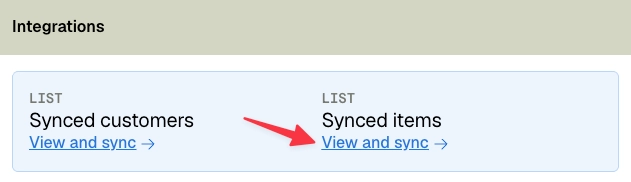
Tabs automatically generates journal entries based on the integration item account mapping and the integration items set on the Billing Terms and Performance Obligations. These must be mapped correctly so Tabs knows which GL account to use for each invoice, credit memo, and revenue journal entry.
If the mapping is missing or incorrect:
Journal entries will have missing accounts
Deferred, Unbilled, and Revenue journal entries will be incorrect
Deferred Revenue Rollforward journal entry details will not show the activity you expect
If you find a mapping issue, return to the contract to correct the Integration Item setting, then update the month’s journal entries and reopen the rollforward to review the changes.
Where to find it
Go to Tabs side navigation menu Revenue → Deferred rollforward
When to use it
Use it during month-end close after resolving billing and before pushing journal entries for
the period—typically when you’re reconciling Deferred Revenue to confirm contract-level journal entries are correct.
How it works
Step 1. Set Period & Currency
Use the Period and Currency dropdown to set the reporting period and currency as needed.
Step 2. Start with Preliminary Review
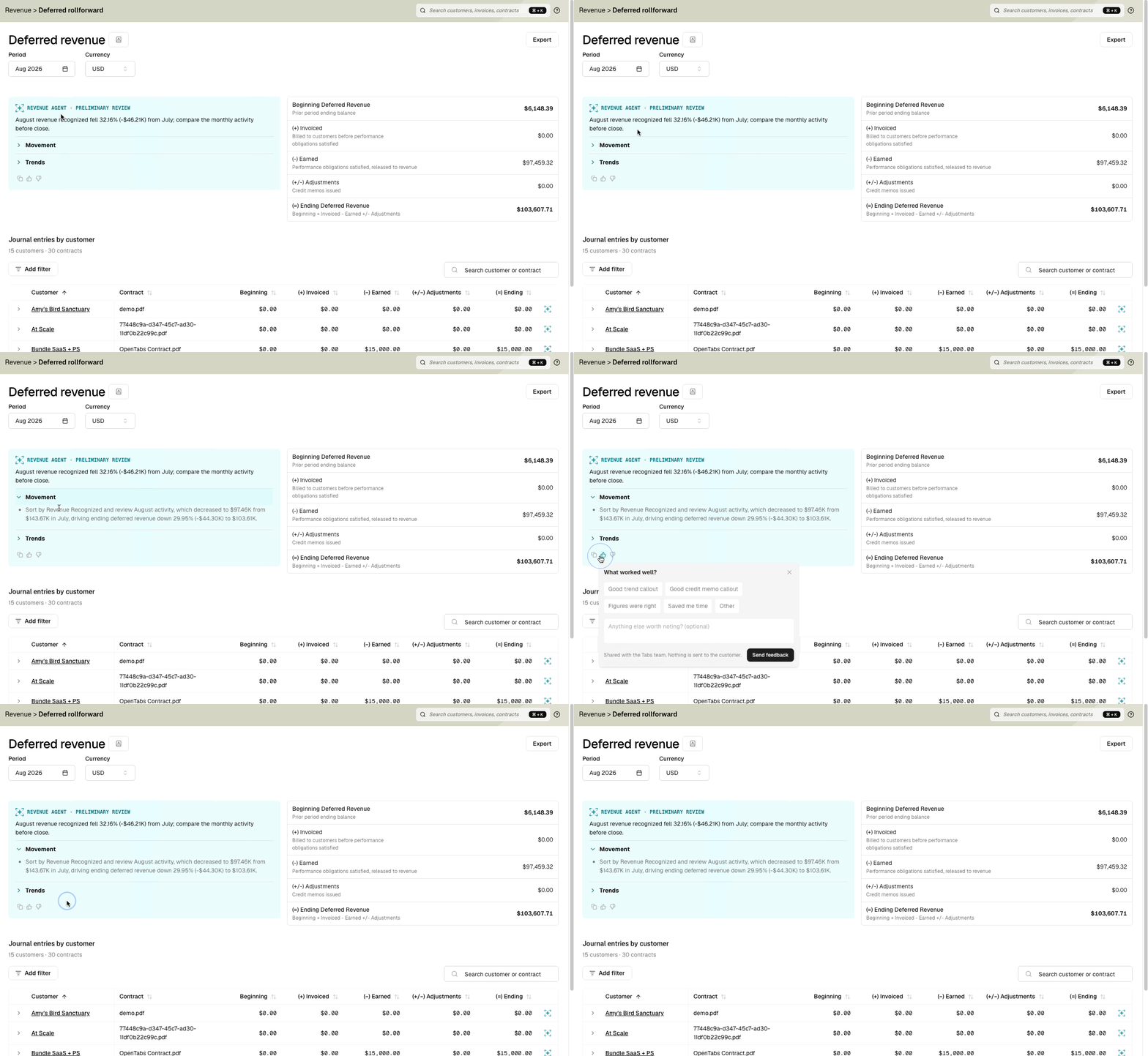
Tabs Revenue Agent will take a first pass at reviewing Deferred account journal entry activity and highlight key findings to guide you through the reconciliation process. Depending on the activity, you may see exceptions, period movements, historical trends, and key drivers with stats and instructions to help you identify contracts to investigate below.
Exceptions: Unusual or outlier transactions that deviate from expected patterns and may require investigation.
Period Movements: Changes in balances or activity between reporting periods, highlighting significant increases, decreases, or shifts.
Historical Trends: Patterns in financial or operational data over time used to identify consistency, anomalies, and changes in behavior.
Key Drivers: The underlying factors, such as volume, pricing, mix, timing, or customer activity, that explain movements and trends.
Step 3. Review Rollforward Summary
This is where Tabs rolls your Deferred balance forward using this formula.
Row | Definition |
|---|---|
Beginning Deferred Revenue | = Prior period ending balance |
(+) Invoiced | Billed to customers before performance obligations satisfied |
(−) Earned | Performance obligations satisfied, released to revenue |
(+/−) Adjustments | Credit memos issued |
(=) Ending Deferred Revenue | = Beginning + Invoiced − Earned +/− Adjustments |
Step 4. Review Rollforward Details
Below the summary, the report shows the same rollforward for each customer > contract, with an aggregated footer total you can use to reconcile back to the period summary.
Review only Deferred journal entries
By default, the rollforward displays journal entries filtered to the Deferred Accounts configured in Integration Items. Use this view to review activity and identify potential account mapping issues.
Expand a row to view the journal entry lines that make up each period movement total, grouped by journal entry type. You can reconcile the total debits and credits to each rollforward movement at the contract level.
See all journal entries
You can also clear the GL account filter to see both sides of the entry and further investigate how journal entries impact the period Deferred Revenue balance.
Use Export if you need an Excel copy for workpapers or auditors.
Ask Revenue Agent to explain
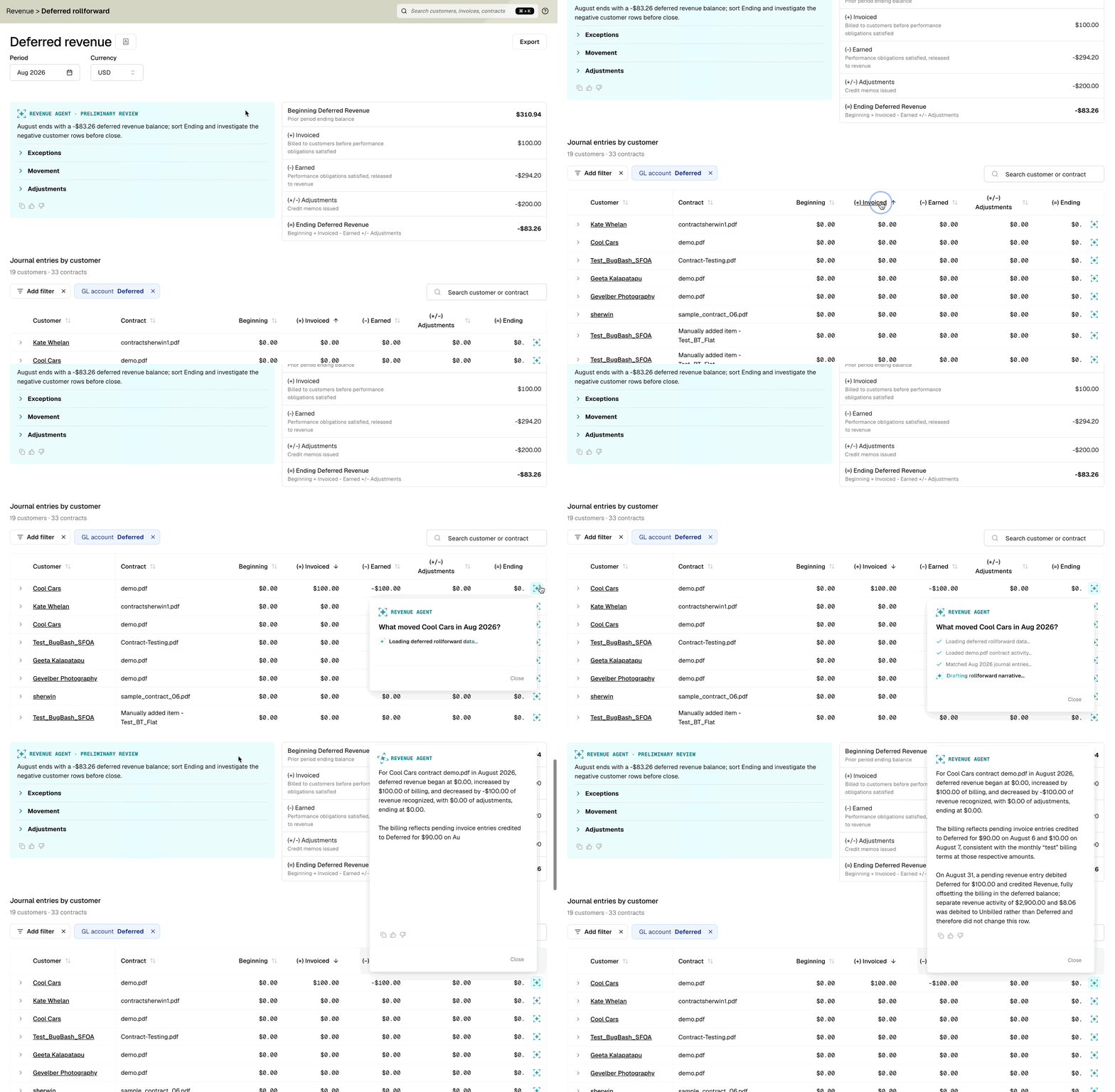
To simplify your review, hover over the icon to the right of each detail row and ask Revenue Agent to surface the contract billing term and performance obligation details beyond the journal entries shown on the screen.
Reconciliation example
When a customer’s period activity doesn’t match expectations, filter to that customer and expand the contract in question. Leave the deferred filter on to review only Deferred entries first, use the description field to drill down into invoices or credit memos.
Clear the GL account filter to see the full journal entries and identify mis-mapped or missing entries so you can make the proper corrections.